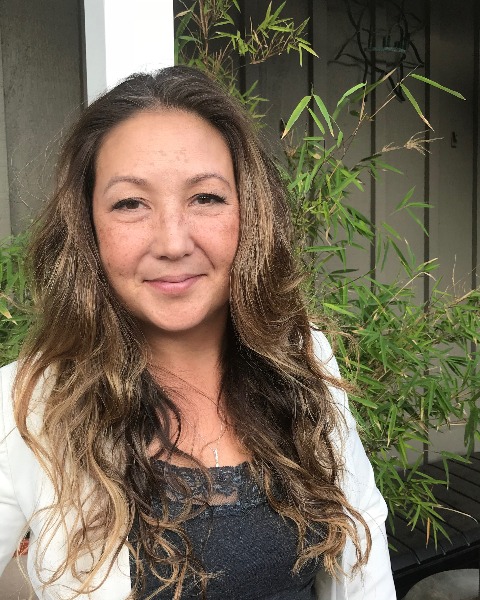
Director of Bioscience ImpriMed, Inc. Palo Alto, California, United States
Disclosure(s):
Ilona Holcomb, PhD: No financial relationships to disclose
Presentation Description / Summary: Accurate immunophenotyping and cell size evaluation are critical not only for diagnosing canine lymphoma but also for guiding prognosis and treatment planning. While the integration of flow cytometry with molecular diagnostics like PARR has improved diagnostic accuracy, the prognostic potential of flow cytometry alone is gaining traction. In this presentation, we share results from a retrospective analysis of 1,000 canine lymphoma cases to evaluate the performance of a refined flow cytometry platform for immunophenotyping and cell size determination. Our findings demonstrate >98% concordance with reference laboratories for immunophenotype classification. In a targeted comparison, flow cytometry-derived cell size measurements showed strong correlation with cytological assessments. More importantly, immunophenotypic stratification of T-cell lymphomas revealed prognostically distinct subgroups, highlighting the value of select surface markers and cell size metrics in predicting clinical outcomes. This study represents one of the most comprehensive evaluations of flow cytometry’s prognostic utility for canine lymphoma. The evidence supports its role not only in diagnosis but also in informing prognosis and therapeutic decision-making. Incorporating flow cytometric insights into routine clinical workflows could enable more personalized and effective management of canine lymphoma patients.
Learning Objectives:
Describe the role of flow cytometry in immunophenotyping and cell size assessment for canine lymphoma.
Evaluate the diagnostic accuracy of flow cytometry compared to current commercially available reference laboratory methods.
Interpret the prognostic relevance of specific immunophenotypes and cell size categories in canine T-cell lymphoma.
Discuss how integrating flow cytometric findings into clinical workflows can inform treatment planning and improve patient outcomes.