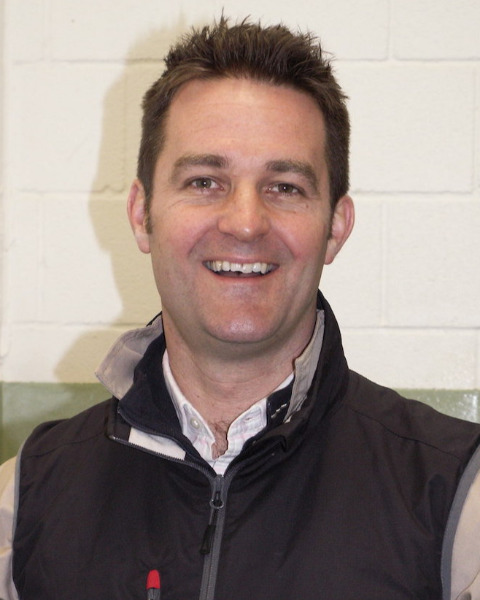
Richard J. Hepburn, BVSc MS(Hons) CertEM(IntMed) DipACVIM(LA) FRCVS: Boerhinger Ingelheim: Providing EGUS lectures to vets and trainers (Ongoing)
Presentation Description / Summary: ON DEMAND The cervical and early thoracic spine is increasingly being recognised as a site of pathology causing neck pain and physical movement restriction, and compression of the spinal cord and intervertebral nerves. Circumferential imaging has increased our knowledge of the types of pathology present, but also the anatomic variation within the bony and soft tissue structures of this region. As more cases are seen so the spectrum of presenting signs widens. Assigning significance to diagnostic imaging can therefore be a challenge. Crucial to this is an understanding of the relevant anatomy, how it moves and how this movement can affect the function of specific structures. This lecture will cover the vertebral anatomy of the cervical and early thoracic spine (to T4), the associated musculature and gross description of relevant neuroanatomy (more detailed description is beyond the scope of this session). It will then cover these structures functionally - describing the range of motion relevant anatomy goes through, provide current knowledge on how this movement relates to different gaits and neck positions that horse’s use during exercise. At each stage a clinical focus will be maintained highlighting how a knowledge of functional anatomy can help with both clinical examination and decision making. It will also highlight gaps in our knowledge which are clinically important.
Learning Objectives:
Understand the vertebral anatomy of the cervical and early thoracic spine (to T4) and the associated musculature and soft tissues including gross description of relevant neuroanatomy
Understand how these structures function - describing the range of motion relevant anatomy goes through, provide current knowledge on how this movement relates to different gaits and neck positions that horse’s use during exercise