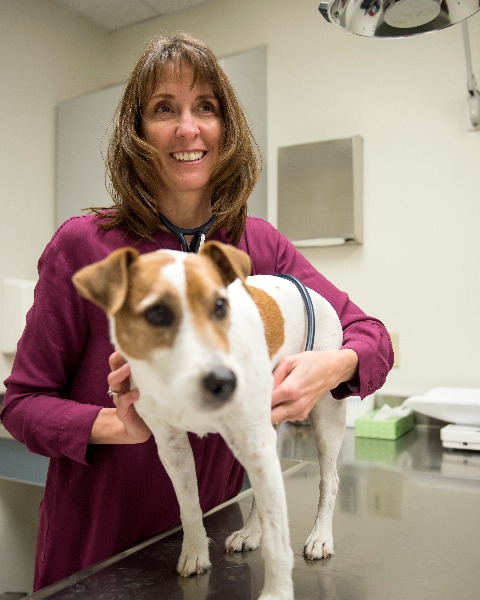
Katrina Mealey, DVM PhD DACVIM DACVCP: WSU: I receive royalties for two apps I have created for drug dosing (Ongoing)
Presentation Description / Summary: P-glycoprotein (P-gp) plays a key role in the disposition of substrate drugs. P-gp deficiency, either intrinsic or acquired, renders affected dogs highly susceptible to adverse effects of drugs at doses well-tolerated in animals with normal P-gp function. While herding breed dogs are most commonly affected by intrinsic P-gp deficiency, all dogs, regardless of breed, can experience acquired P-glycoprotein deficiency. The speaker proposes 3 sites where the body fails, without P-gp, to protect itself from potentially toxic P-gp substrates drugs, and will describe 3 distinct clinical consequences that can result. This information can help veterinarians prevent these adverse drug reactions in patients with P-gp deficiency (preferably) or help the veterinary team manage adverse drug reactions that have occurred because of P-gp deficiency.
Learning Objectives:
Be able to identify 3 key anatomic sites where P-glycoprotein is expressed and serves to prevent exposure to potentially toxic P-glycoprotein substrates
Describe two different ways P-glycoprotein deficiency can occur in dogs
Name commonly used P-glycoprotein substrate drugs that can cause adverse drug reactions in dogs
Understand how knowing the P-glycoprotein substrate status of a drug administered to dogs would improve drug safety