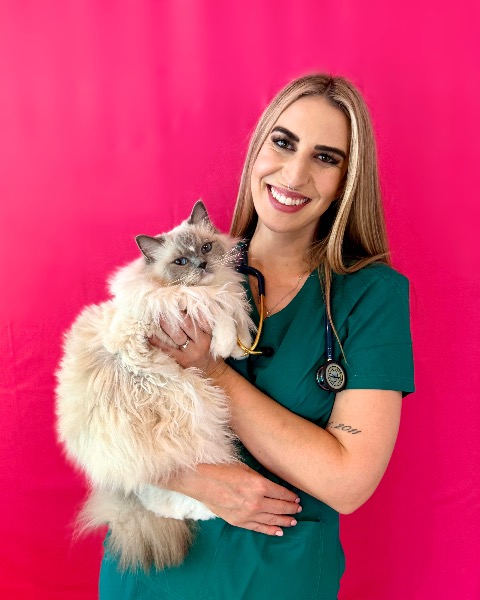
Laura M. Jones, BSc(Hons) DipAVN(SA) ISFMDipFN VTS(IM-SA) RVN: Boehringer Ingleheim: Speaker for video content on feline diabetes (Terminated, March 31, 2025); Hills: Speaker for session on feeding tubes (Terminated, January 31, 2025); Norbrook: Speaker for session on feline endocrinopathies (Terminated, February 28, 2025); Purina: Speaker for 3 x sessions on renal disease (Terminated, August 31, 2025)
Presentation Description / Summary: Feline diabetes management is changing rapidly, and one of the biggest recent shifts has been the introduction of SGLT2 inhibitors (aka the 'gliflozins'). Licensed for cats in the US, UK and Europe, these drugs offer an alternative to insulin therapy - but what does that actually mean for nursing care, monitoring, and client communication? In this interactive session, we’ll explore what every veterinary nurse or technician needs to know about using SGLT2 inhibitors in practice. Together, we’ll discuss how these drugs work, when they’re indicated, and the pros and cons compared to traditional insulin therapy. Using real-world cases from UK practice, we’ll work through the unique nursing considerations - from recognising adverse effects and managing concurrent disease, to supporting clients through treatment choices and long-term monitoring. By the end of this session, you’ll have a clear understanding of the role SGLT2 inhibitors can play in feline diabetes care and how technicians can maximise patient safety, client confidence, and successful outcomes.
Learning Objectives:
Understand the mechanism of action, indications, and limitations of SGLT2 inhibitors in feline diabetes and compare their use with traditional insulin therapy.
Recognise and manage key nursing considerations associated with SGLT2 inhibitor therapy, including monitoring requirements and potential adverse effects.
Develop effective communication strategies to support clients in decision-making, treatment adherence, and long-term monitoring of diabetic cats receiving SGLT2 inhibitors.
Apply knowledge from real-world case examples to confidently identify nursing roles and interventions that optimise outcomes for cats treated with SGLT2 inhibitors.